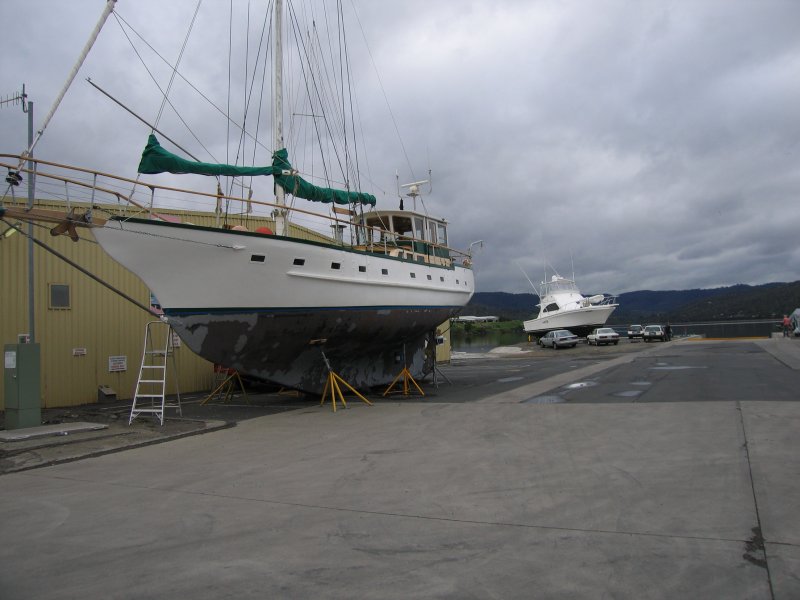
Slipping, shipwright work, rigging, diving, salvage. Hobart-based, working across Tasmania and beyond. Deep-water berths, hardstand, undercover work and the cranes and forklifts to help plan the job properly.
Lift & hardstand
Working boats
Prince of Wales Bay
Many marine jobs touch more than one trade. Slipping, shipwright work, rigging, splicing, diving and salvage can all be part of the same practical yard conversation. If the job is unusual, the first step is still simple: call the yard and talk it through.
Slip, scrub, antifoul, polish, anodes — the annual round. Talk through the slipping plan, the berth movement, the hull service and the practical jobs that get the boat ready to go back in.
Timber and composite, repair and refit. From smaller repairs to larger project-managed work, the shipwright side of the yard is part of the same practical conversation.
Standing rigging, running rigging, replacement and tune. Sailing owners can talk through rigging, splicing and related deck gear before the boat goes back on the water.
In-water work, salvage and towing are part of the Hurricane Marine service mix. For urgent or awkward jobs, start with the phone call and talk through the next practical step.
Looking for something else — a survey, a delivery, transport planning or a winch issue? Give the yard a call. The right first step is a practical conversation.
A working yard isn't a boat that lives in a magazine. It's the place a working boat goes when something needs sorting out before next weekend.
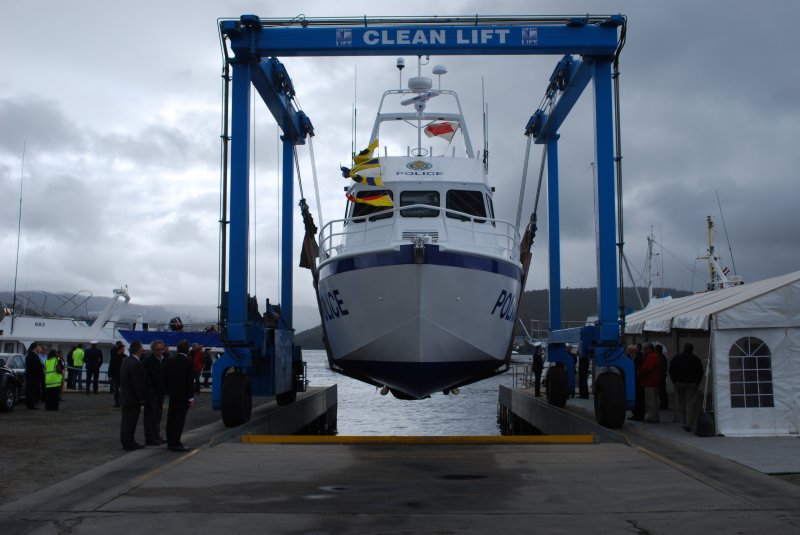
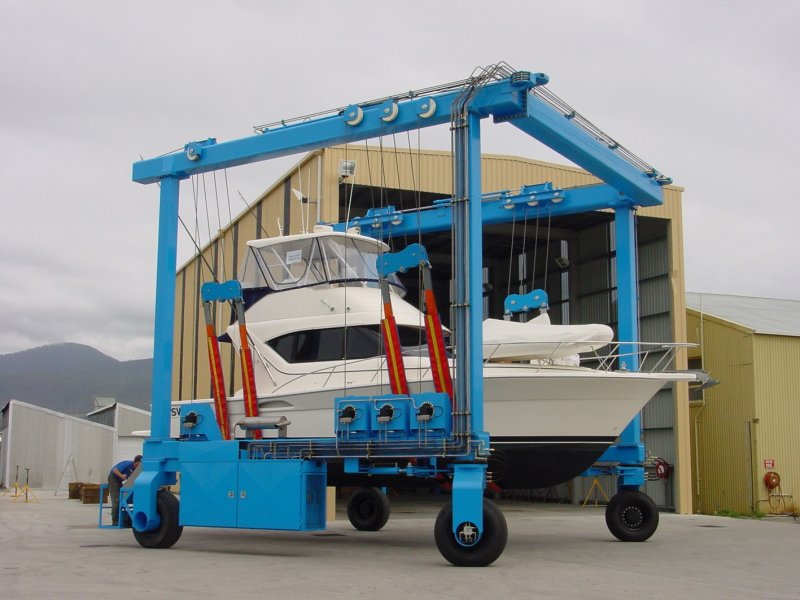
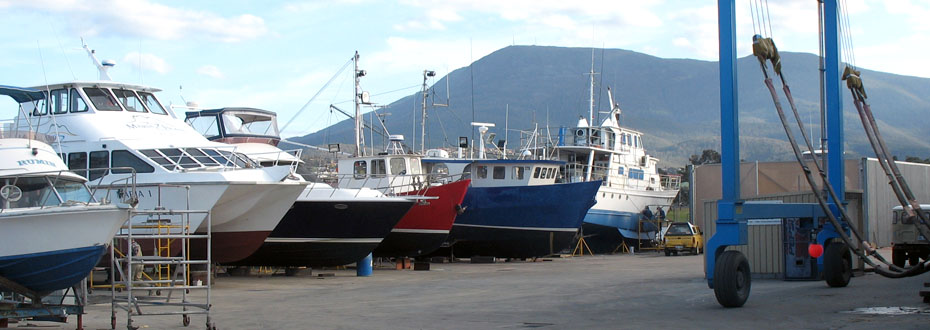
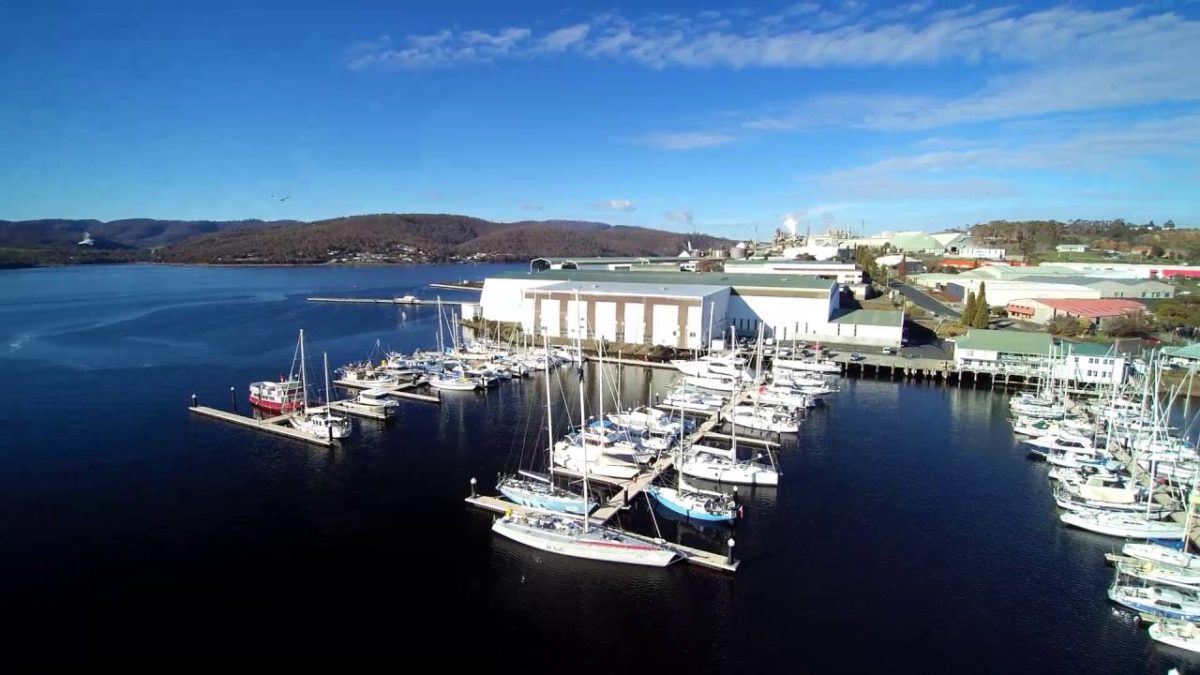
Hurricane Marine works from Prince of Wales Bay, close to Hobart and within Tasmania's marine precinct. The yard has access to CleanLift Marine and Prince of Wales Marine Complex facilities, including deep-water berths, hardstand, undercover work areas, cranes and forklifts.
For boat owners, that matters. It means the conversation can start with the whole job in view: the berth, the lift, the hardstand, the trades involved and the simplest way to get the boat back on the water.
Different boats arrive with different problems. These are some of the common starting points for a yard conversation.
The annual haul-out, the longer refit, the surprise repair before the cruise. Start with the job list and the timing.
Rigging, splicing, tuning and seasonal preparation are common questions for sailing owners getting ready for another season.
Fishing vessels, charter boats and other working craft need practical answers about timing, access and what can be handled in the yard.
Timber and composite shipwright work can sit alongside slipping, refit and repair planning when the boat is already in the yard.
Power boat owners still need the basics quickly: slipping, hull work, maintenance, transport planning and how to get someone on the phone.
For more complicated work, the first call is about understanding the boat, the facilities needed and the right order to tackle the job.
A refit rarely stays in one tidy category. Slipping, shipwright work, rigging, diving and salvage may all affect the order of the job.
One yard conversation · less guessing for the owner
When the job is urgent, start with the phone call. The sooner the yard understands the boat, the location and the problem, the easier it is to plan the next step.
Clear next step · especially on mobile
Call the yard on the published number, or use the public email below. For salvage, towing or time-sensitive work, make the phone call first.